Veertig

Op 9 maart ben ik 40 jaar geworden. Sommige zeggen: “een nieuwe voordeur”, andere zeggen: “welkom op tram vier”.
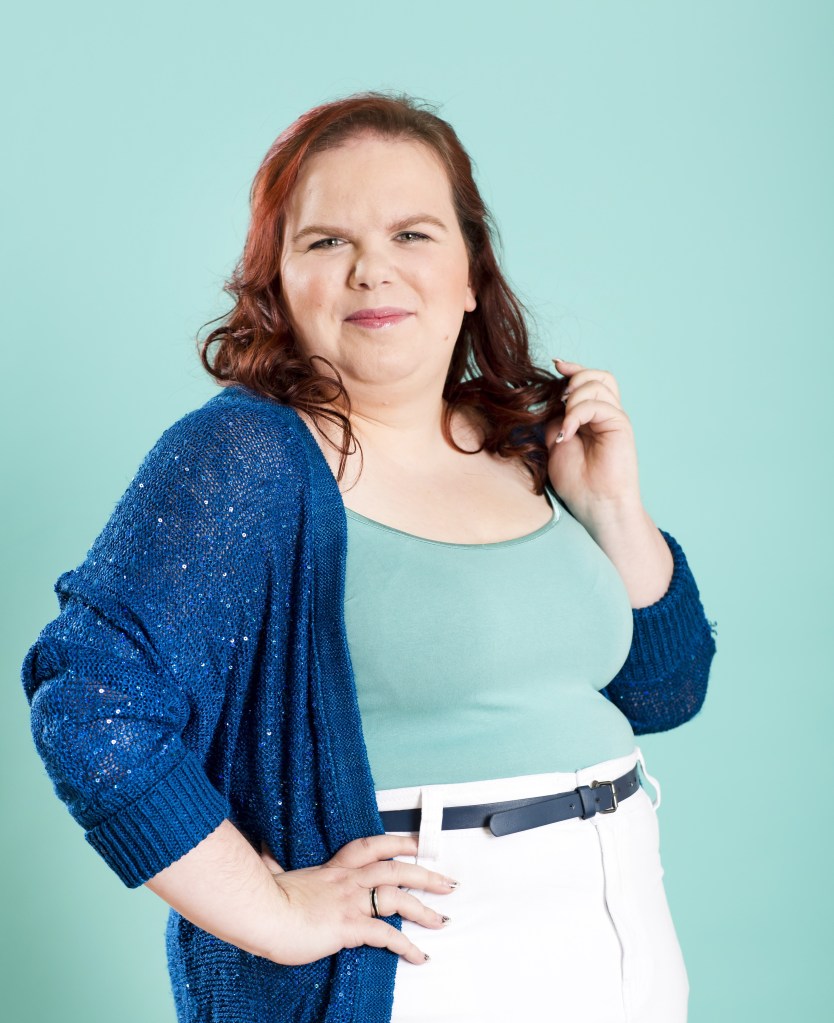
Foto dat in flair stond in 2013

Het is waar dat er weer een tijdvak van tien jaar in het boek van mijn leven is volgeschreven. Het was een indrukwekkend hoofdstuk. Net zoals bij iedereen, zijn de afgelopen tien jaar gevuld met mooie herinneringen, uitdagingen, groeipijnen, moeilijke momenten, maar ook met momenten waarop we trots mogen zijn.

Mijn dochter is van kleuter naar tiener gegroeid. Nu een prachtige 16-jarige dame die goed weet hoe ze in het leven wil staan.

Ik heb in de flair gestaan, in 2013, een artikel over het leven na pesten tijdens de jeugdjaren.

In de afgelopen decennium kregen we de kans om onszelf echt te verwennen met een vakantie, en we hebben inmiddels diverse andere reizen achter de rug.  Met de auto naar het Noorden van Frankrijk. Maar we hebben ook de kans gekregen om vliegvakanties te doen.

We zijn in Brussel blijven werken en de metro nemen wanneer nodig, ook na de aanslagen in 2016. Ik vind het nog steeds een beetje eng als ik aan die tijd denk, toen er overal militairen waren.

We zijn naar een meer aangename en gezonde woning verhuisd. Hebben ons voor het eerste een nieuw wagen kunnen kopen in plaats van een tweedehands. Waren toen wel verdrietig dat we Alfred de PT Cruiser moesten afgeven.

Ik heb mijn mama moeten afgeven aan het hiernamaals. Vijf jaar later, als ik een leuke gebeurtenis meemaak of een fier moment over mijn dochter wil delen, heb ik nog steeds de reflex om haar een sms’je te sturen.

Er zijn prachtige mensen in mijn leven gekomen. Er zijn nieuwe vriendschappen gesloten, en bestaande vriendschappen zijn weer nieuw leven ingeblazen.

We zijn niet gek geworden tijdens de quarantaine van de gezondheidscrisis, en hebben in de nasleep een nieuw ritme opgebouwd met evenwicht tussen gezin en werk (zie, zie, ik heb eerst gezin gezet en dan werk he!).

Het behalen van mijn rijbewijs heeft ertoe bijgedragen dat ik minder afhankelijk ben geworden van anderen. Hoewel ik het nog steeds prettig vind als mijn man voor me rijdt en me ergens naartoe brengt.

Dankzij de kansen die ik kreeg of die ik zelf gegrepen heb, ben ik enorm kunnen groeien op werkgebied.

In het algemeen kijk ik uit naar het volgende decennium in mijn leven, dat zal beginnen met een zware beproeving, want we weten dat ik mijn vader ook vrij snel zal moeten afstaan aan het hiernamaals. Het is daarom zo belangrijk voor me dat ik mijn leven en dat van de mensen om me heen vier.

We hebben minder tijd dan we denken, dus laten we ervoor zorgen dat het de moeite waard is.
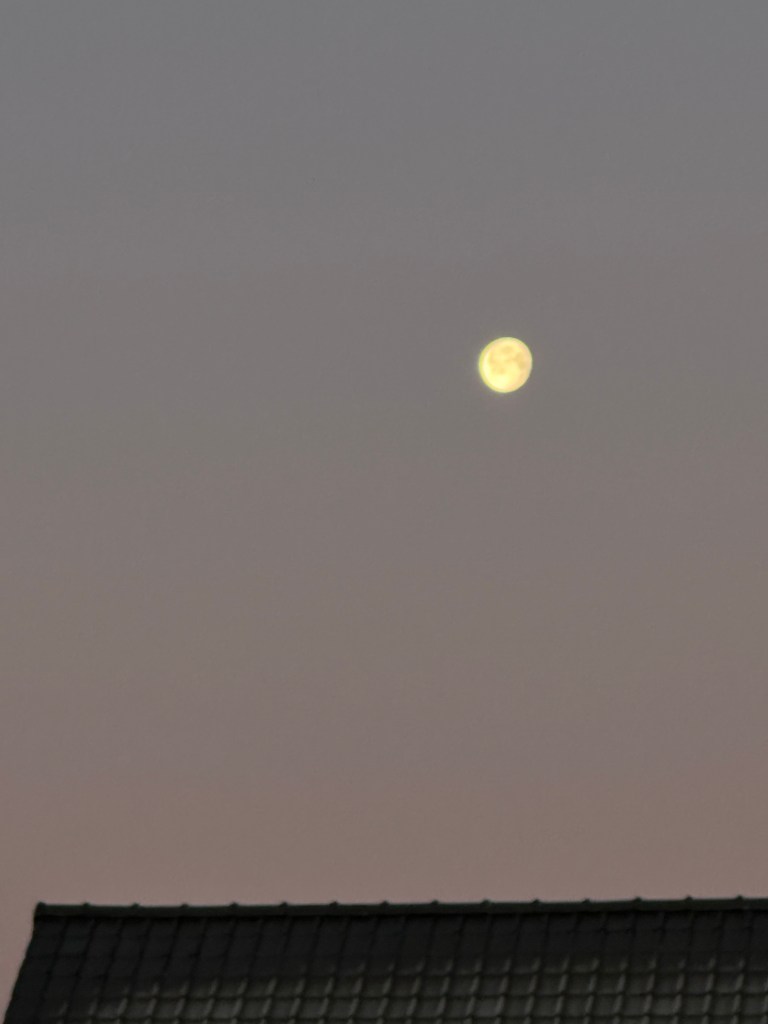
A short view on Lunar Living.

Lunar living is a lifestyle practice that revolves around the phases of the moon. It involves incorporating the lunar cycle into various aspects of daily life, including personal growth, health, relationships, and spirituality. The lunar cycle consists of eight phases, each lasting approximately 29.5 days, which are linked to different energies, themes, and influences.

New Moon Phase The New Moon is the beginning of the lunar cycle, when the moon is not visible in the sky. This phase is associated with new beginnings, setting intentions, and planting seeds for the future. It is a time to reflect on what you want to manifest in your life and to set goals and intentions for the coming lunar cycle.

Waxing Crescent Phase The Waxing Crescent phase occurs after the New Moon and lasts approximately seven days. During this phase, the moon appears as a crescent in the sky and is associated with growth, development, and taking action. It is a time to focus on nurturing your goals and taking small steps towards achieving them.

First Quarter Phase The First Quarter phase occurs approximately a week after the New Moon and is associated with challenges, growth, and overcoming obstacles. This is a time to assess your progress towards your goals and make any necessary adjustments to your plans. It is also a time to be proactive and take action to overcome any challenges that may arise.

Waxing Gibbous Phase The Waxing Gibbous phase occurs after the First Quarter and lasts approximately a week. During this phase, the moon is almost full and is associated with refinement, fine-tuning, and preparation. It is a time to review your progress, refine your plans, and prepare for the full moon.

Full Moon Phase The Full Moon is the midpoint of the lunar cycle, when the moon is fully illuminated in the sky. This phase is associated with completion, fruition, and manifestation. It is a time to celebrate your accomplishments, release what no longer serves you, and embrace the power of the full moon to manifest your intentions.

Waning Gibbous Phase The Waning Gibbous phase occurs after the Full Moon and lasts approximately a week. During this phase, the moon is beginning to wane and is associated with gratitude, integration, and sharing. It is a time to reflect on what you have learned and to integrate your experiences into your life.

Third Quarter Phase The Third Quarter phase occurs approximately a week after the Full Moon and is associated with release, letting go, and surrender. This is a time to release any attachments or negative energy that may be holding you back and to let go of anything that no longer serves you.

Waning Crescent Phase The Waning Crescent phase occurs just before the next New Moon and is associated with reflection, rest, and renewal. It is a time to rest, recharge, and prepare for the next lunar cycle. It is also a time to reflect on your experiences and to set intentions for the coming cycle.

Incorporating lunar living into your daily life can involve a variety of practices and rituals. Some common practices include:

  • Setting intentions and making goals at the New Moon
  • Cleansing and charging crystals under the Full Moon
  • Engaging in self-care practices during the Waning Crescent phase
  • Performing rituals to release negative energy during the Third Quarter phase
  • Using lunar calendars or moon phase apps to stay aware of the current lunar cycle

Lunar living can also be incorporated into personal growth and spiritual practices. For example, working with the lunar cycle can help you align with the natural rhythms of the universe, connect with your intuition, and deepen your spiritual practice. Some spiritual practices that can be incorporated into lunar living include:

  • Moon meditations, which involve setting an intention, focusing on the energy of the moon, and meditating on its meaning and symbolism.

In addition to personal growth and spirituality, lunar living can also be applied to other aspects of life, such as health and wellness. For example, the lunar cycle is associated with the body’s natural rhythms and can be used to optimize physical health and wellness. Some ways to incorporate lunar living into health and wellness practices include:

  • Adjusting exercise routines to align with the lunar cycle
  • Using the lunar cycle to plan meals and optimize nutrition
  • Engaging in self-care practices that align with the lunar cycle, such as taking baths or using essential oils during certain phases

Overall, lunar living is a versatile and holistic practice that can be adapted to various aspects of daily life. By incorporating the lunar cycle into personal growth, spirituality, health, and other areas, individuals can cultivate a deeper connection with themselves and the natural world, and live in harmony with the rhythms of the universe.

Short view on herbal magic

Herbal witchcraft, also known as herb magic or botanical magic, is a form of witchcraft that utilizes plants and their various parts (such as leaves, roots, flowers, and bark) for medicinal and spiritual purposes. The use of plants for both healing and spiritual purposes has a long history, dating back to ancient civilizations such as the Egyptians, Greeks, and Romans.

In traditional witchcraft and folk magic, herbs were commonly used for protection, love spells, and banishing negative energy. For example, rose petals were often used in love spells, while lavender was used for protection and peace. Herbs were also believed to have spiritual properties and were often used in rituals and ceremonies.

During the Middle Ages, the use of herbs in witchcraft became intertwined with the practice of alchemy, as herbalists and alchemists sought to unlock the hidden properties of plants. The study of botany and herbal medicine also became more structured during this time, with the creation of herbalist guilds and the development of herbals (books detailing the properties and uses of various herbs).

In the 1600s and 1700s, the persecution of witches and practitioners of magic led to a decline in the use of herbs for spiritual purposes. However, the use of herbs for medicinal purposes continued, and in the 19th century, the practice of herbalism experienced a revival. Today, herbal witchcraft is a growing trend, with many individuals incorporating herbs into their spiritual practices and rituals.

In herbal witchcraft, each herb is believed to have its own unique properties and energies, and can be used for a variety of purposes, such as attracting love, promoting healing, and bringing abundance. Herbs can be used in a variety of ways, including carrying them in a mojo bag, burning them as incense, making herbal teas, or using them in spellwork and ritual.

It is important to note that not all herbs are safe for consumption, and some can be toxic or have adverse effects. Before using herbs for medicinal or spiritual purposes, it is important to research their properties and any potential dangers. Additionally, it is important to practice sustainable harvesting and sourcing, as some plant species may be endangered or at risk of extinction.

In conclusion, the history of herbal witchcraft dates back to ancient civilizations and has a rich tradition of using plants for both healing and spiritual purposes. Herbal witchcraft continues to be a growing trend, with many individuals incorporating herbs into their spiritual practices and rituals. However, it is important to practice caution and research the properties of herbs before using them.